Archive for the ‘Holiday Stress’ Category

How to Tell if Your Loved One is Getting Enough to Eat During the Holidays

Posted on: December 19th, 2011 by aagingbetter

Certain normal aspects of aging, like chewing issues, digestive problems, loneliness, depression, and certain medications, can decrease food intake and make it difficult for seniors to get the nutrition they need.  And because most family members can’t be there to monitor their loved ones’ meals and snacks, it’s often hard to know if dietary needs are being met.  There are, however, a few signs to watch out for and things that family members can monitor that may indicate a lack of proper nutrition.

  1. Has the senior complained of loss of appetite, digestive problems, or chewing or swallowing difficulties?  Has there been decreased food intake over the past several months due to these complaints?
  2. Has the senior experienced a sudden or a steady weight loss during the last 3 months?  Weight loss, particularly in those who are not active, can be an indication that the person is not eating properly or that there may be other serious conditions going on.
  3. Does the senior have mobility issues?  Being bed-bound or unable to go outside and do their own grocery shopping or eating out at restaurants can cause nutritional challenges.
  4. Has the senior suffered psychological stress or acute disease in the past 3 months?  Loss of a spouse, a family member or simply being alone during the holidays can cause significant stress in a person’s life and the elderly have even less ability to cope well with such events than younger people do, especially if the senior is left isolated and alone from the loss.  And illness almost always causes seniors to lose some weight but if the illness is a prolonged one, the accompanying weight loss should be a definite concern to be watched closely.
  5. What is the senior’s body mass index (BMI)?  A BMI of 18.5 or less may be a sign that the person is not eating enough, while a BMI of 30 or more can indicate obesity.  BMIs are not normally calculated outside of fitness gyms or doctor’s offices but when the BMI is known and followed closely at doctor’s visits or elsewhere, and it continues to drop for no apparent reason, BMIs are a good way to alert family members to the fact that a senior may not be eating or absorbing their foods properly.

If you or your loved one has been displaying any of these signs, consult a physician as soon as possible.  Another way to help counter ongoing weight loss or frailty due to poor nutrition is to call upon the services of an agency like AAging Better In-Home Care.  Our agency can place a caregiver in the home who will do the shopping and cooking for the senior and ensure they are getting their proper nutritional needs met.

For more information on how AAging Better can assist you or your loved ones with nutritious meal preparation and monitoring, contact us online or call us at (208) 777-0308 in the Coeur d’Alene, Post Falls or Hayden areas, (208) 263-7889 in the Sandpoint, Bonners Ferry or Priest River areas, or (208) 784-1505 in the Kellogg, Wallace or Pinehurst areas.

Holiday Nutrition: How to Get the Necessary Nutrients

Posted on: December 12th, 2011 by aagingbetter

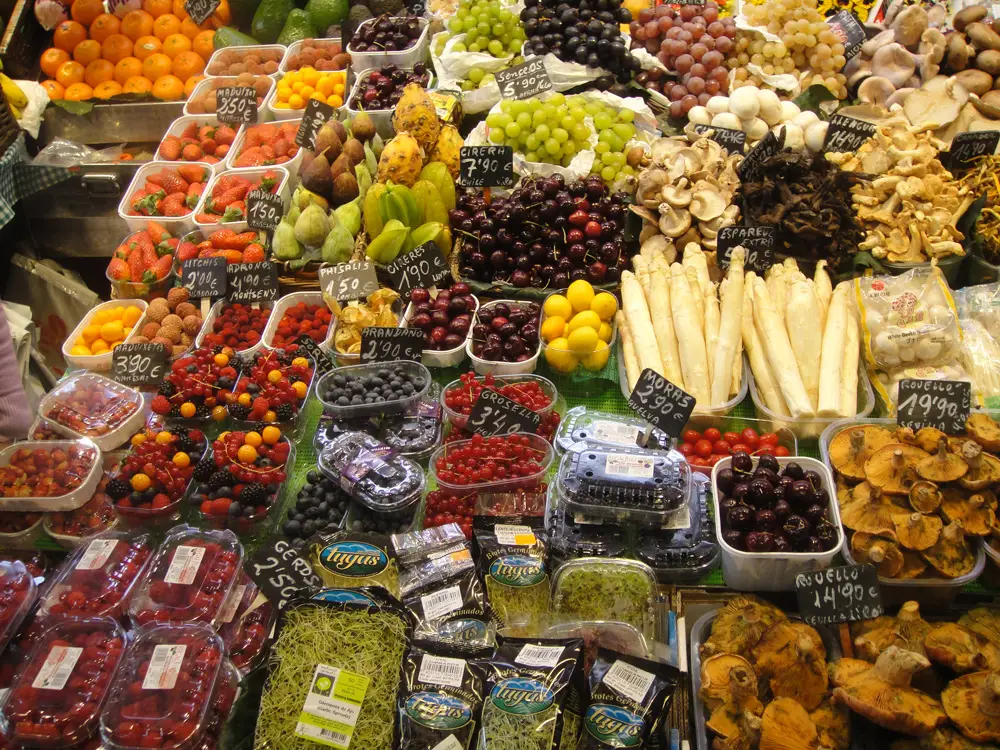
As adults age, calorie requirements change due to increased body fat, decreased muscle and less activity.  Because of this, meeting nutrient needs during the holidays and throughout the year becomes more of a challenge for seniors.  AAging Better In-Home Care understands that the key to this problem is to choose foods that are high in nutrients in relation to the calories they contain.  For example, low-fat milk is more nutrient-dense than regular milk because its nutrient content is the same, but it has fewer calories and less fat.  The following are a few examples of foods that can help seniors watch calories during the holidays and the rest of the year while keeping a nutrient-rich diet.

Protein needs typically do not change for older adults; however, some proteins, like turkey, chicken, and fish are healthier than red meats.  Other foods with high levels of protein include:

  • Eggs (even those with higher cholesterol levels do fine with a minimum of two eggs per week but for those with good cholesterol levels, eggs 3-4 times a week are encouraged)
  • Peas
  • Beans (all beans are a very good source of protein)
  • Tofu
  • Nuts (raw nuts are much healthier than roasted and salted but a small handful of either is usually recommended rather than larger amounts eaten at one sitting)

Fat should be something that older adults reduce in their diets; however, there are some “good” fats that can and should be part of a healthy diet, including:

  • Olive oil (recommended as a primary cooking oil or on salads)
  • Seeds
  • Sunflower oil
  • Avocados
  • Nuts (high in fats but good sources of protein)

Calcium is a very important nutrient that helps minimize bone loss in older adults.  Milk, cheese, and yogurt are all good sources of calcium, as are:

  • Figs
  • Tofu
  • Kale
  • White beans
  • Cabbage

A healthy, nutrient-rich diet is vital for older adults.  Aaging Better In-Home Care understands the unique challenges of senior nutritional needs and trains all of its caregivers in the proper preparation of healthy meals.  For more information about our shopping and meal preparation services, contact us online or call us at (208) 777-0308 in the Coeur d’Alene, Post Falls or Hayden areas, (208) 263-7889 in the Sandpoint, Bonners Ferry or Priest River areas, or (208) 784-1505 in the Kellogg, Wallace or Pinehurst areas.

 
Call Us Toll Free at 866.464.2344 or send us a request by email... click to get started »